Is it safe to travel to Egypt? It’s the question on every traveler’s mind before booking that bucket-list trip to the pyramids, and the honest answer is yes — with the right preparation, Egypt is one of the most rewarding and welcoming destinations on earth. Millions of visitors explore Cairo, Luxor, Aswan, and the Red Sea coast every year without incident. In this guide we break down exactly what you need to know, from real safety zones to scams, health tips, and smart packing, so you can travel confidently and soak up 5,000 years of history.
Table of Contents
- Is It Safe to Travel to Egypt? The Honest Overview
- Safe Regions vs. Areas to Avoid
- Crime, Scams & Tourist Traps
- Is It Safe to Travel to Egypt for Solo Women?
- Health, Water & Food Safety
- Getting Around Safely
- What to Pack for a Safe Trip
- 10 Proven Safety Tips
- Trusted Travel Resources
- Frequently Asked Questions
Is It Safe to Travel to Egypt? The Honest Overview
Let’s address the big question head-on: is it safe to travel to Egypt in today’s world? For the vast majority of tourists sticking to the main attractions, the answer is a confident, resounding yes. Egypt’s government invests heavily in tourism security, and the classic routes — Cairo, Giza, Luxor, Aswan, and the Red Sea resorts — are well policed and extremely accustomed to international visitors.
Tourism is a pillar of Egypt’s economy, which means the country has a strong incentive to keep travelers safe and happy. You’ll notice visible security at airports, museums, hotels, and major archaeological sites. While no destination is 100% risk-free, the day-to-day risks in tourist zones are comparable to, or lower than, many major world cities.
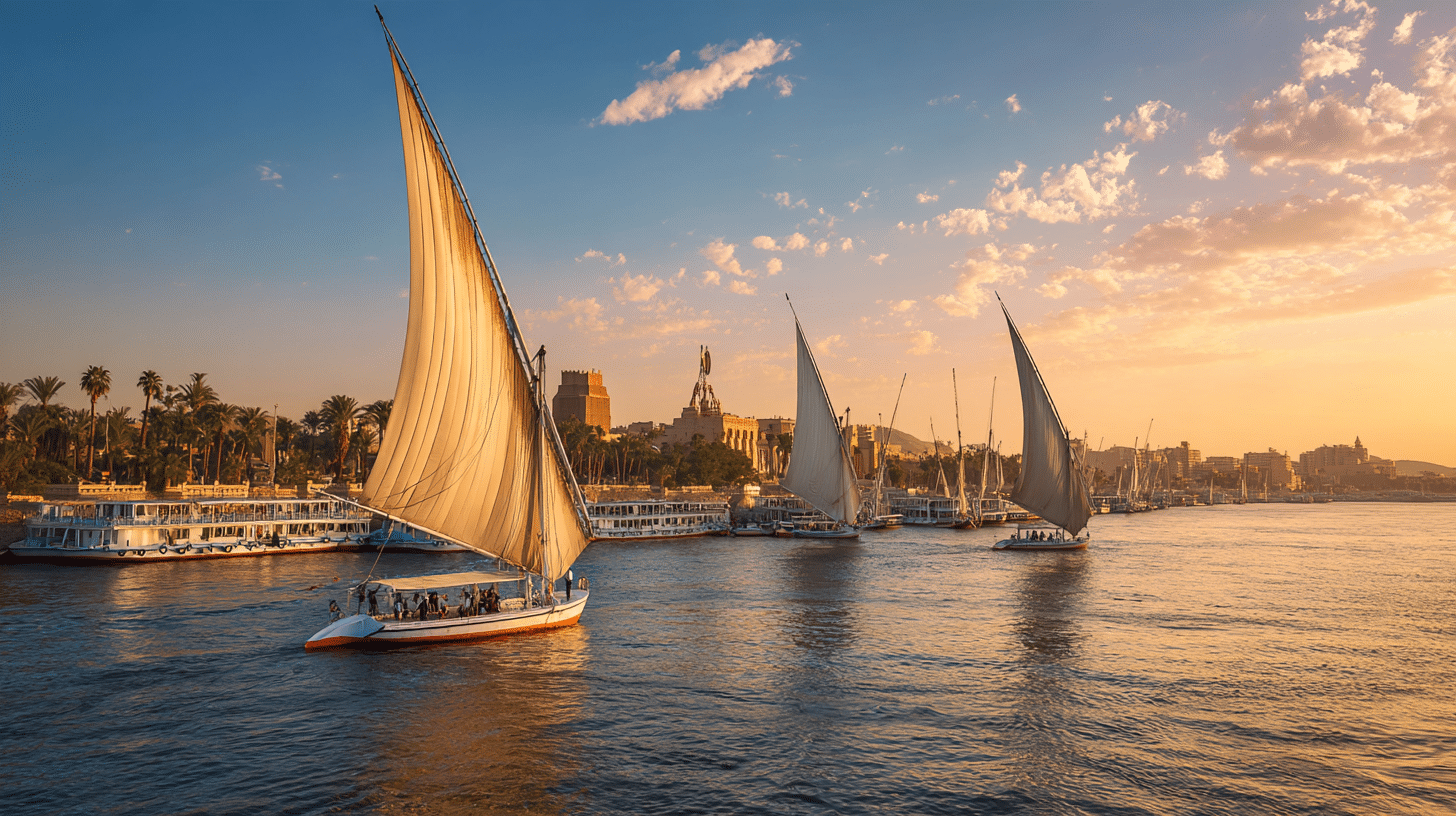
It helps to put things in perspective. Headlines tend to focus on rare incidents, but they rarely reflect the experience of the average tourist wandering through the Valley of the Kings or sipping mint tea on a felucca at sunset. The overwhelming majority of travelers report feeling warmly welcomed by Egyptians, who are famous for their hospitality. Shopkeepers, hotel staff, and guides often go out of their way to help visitors, point them in the right direction, and share stories about their homeland.
Egypt has also modernized its tourism infrastructure significantly in recent years. The spectacular Grand Egyptian Museum near the Giza plateau, upgraded airports, and new resort developments along the Red Sea all signal a country investing in a safe, world-class visitor experience. When you travel with realistic expectations and basic street smarts, you’ll find Egypt is not only safe but deeply rewarding.
That said, smart travel is safe travel. Before you go, it pays to plan your route, secure quality travel insurance, and understand which areas to enjoy freely versus which to skip entirely. Build your day-by-day itinerary using the free Travel Planner so nothing catches you off guard.
Safe Regions vs. Areas to Avoid
Understanding Egypt’s geography is the single most important factor when weighing your personal safety. The country is enormous, and safety varies dramatically by region.
Green-Light Zones (Very Safe for Tourists)
- Cairo & Giza — The pyramids, the Egyptian Museum, and Islamic Cairo are heavily secured and tourist-friendly.
- Luxor & Aswan — The Nile Valley temple corridor is one of the safest and most magical stretches in the country.
- Red Sea Resorts — Hurghada, Marsa Alam, and El Gouna are self-contained resort towns ideal for families and divers.
- South Sinai (Sharm El-Sheikh & Dahab) — Popular, well-guarded beach and diving hubs.
Areas to Avoid or Approach With Caution
- North Sinai — Most governments advise against all travel here due to security operations.
- Western Desert near the Libyan border — Remote and restricted; only visit with licensed guides and permits.
- Far southern border regions with Sudan — Check current advisories before attempting any crossing.
Always check your government’s latest travel advisory before departure, and keep an eye on humanitarian updates from organizations like the ICRC and the IOM, which track regional stability across North Africa.
Crime, Scams & Tourist Traps
Violent crime against tourists in Egypt is rare. The far more common issue is petty crime and persistent scams. Knowing these in advance makes them easy to brush off.
- Pushy “guides” who attach themselves to you at sites, then demand payment.
- Camel & horse rides near the pyramids with a low quoted price that balloons once you’re on board.
- “Free” gifts — a bracelet or scarf pressed into your hand, followed by a demand for money.
- Taxi overcharging — agree on a fare first or use ride-hailing apps.
- Baksheesh (tipping) expected for small services; carry small bills.
Confidence is your best defense. A firm, polite “no thank you” and walking on works wonders. Keep valuables in a money belt, use the hotel safe, and avoid flashing expensive electronics in crowded markets like Khan el-Khalili.
It’s worth remembering that most touts are simply trying to earn a living in a tough economy, and a smile with a lighthearted decline usually diffuses the situation. When people ask is it safe to travel to Egypt given all the hustling, the reality is that these interactions are an annoyance, not a danger. If you do want a guide, hire a licensed one through your hotel or a reputable tour operator rather than someone who approaches you on the street. Agreeing on every price in advance — whether for a taxi, a souvenir, or a camel photo — removes almost all of the friction that frustrates first-time visitors.
Pickpocketing can occur in packed tourist hotspots, so carry only what you need for the day and leave your passport locked in the hotel safe (a photo on your phone is usually enough for ID checks). Distribute your cash and cards across a couple of pockets or pouches so that even in the unlikely event of theft, you’re never stranded without funds.
Is It Safe to Travel to Egypt for Solo Women?
Many travelers specifically ask whether Egypt is a good destination for solo female explorers. Thousands of women explore Egypt independently every year and have incredible experiences. That said, women should expect more attention than in Western countries, ranging from staring to verbal comments.
Practical strategies make a big difference:
- Dress modestly — cover shoulders and knees, especially outside resorts. A versatile scarf is your best friend.
- Carry a lightweight cover-up such as a Sequin Glamour Scarf that doubles as a head covering for mosque visits and sun protection.
- Book reputable tours and trusted accommodation.
- Project confidence and avoid walking alone late at night in unlit areas.
Organizations such as Plan International highlight how women’s travel and empowerment continue to grow worldwide — and Egypt is firmly part of that trend.
Health, Water & Food Safety
Staying healthy is a key part of any safe Egypt trip. The most common traveler complaint isn’t crime — it’s an upset stomach, often nicknamed “pharaoh’s revenge.”
- Drink bottled water only, and skip ice from unknown sources.
- Eat at busy restaurants with high turnover; freshly cooked, hot food is safest.
- Be cautious with raw salads and unpeeled fruit washed in tap water.
- Pack a basic medical kit with rehydration salts, anti-diarrheals, and any prescriptions.
- Use strong sun protection — the desert sun is intense year-round.
Comprehensive travel insurance that covers medical evacuation is strongly recommended. For a deeper dive, read our complete guide to travel insurance before you lock in a policy.
Getting Around Safely
Transport is where preparation really pays off. Egypt offers everything from domestic flights to overnight trains and Nile cruises.
- Domestic flights — Fast and reliable for long distances like Cairo to Aswan. Compare fares via Sales to find the best deals.
- Car rental — Driving in Cairo is chaotic, but a private car can be great for exploring at your own pace. Book through Local rental services.
- Ride-hailing apps — Safer and cheaper than flagging random taxis.
- Nile cruises — A relaxed, secure way to see Luxor and Aswan.
- Stay connected — A local eSIM from Airalo keeps you online for maps, translations, and emergency calls.
Pre-booked guided experiences through Viator add an extra layer of safety, since you’ll have a vetted local guide handling logistics.
What to Pack for a Safe, Comfortable Trip
Smart packing protects both your comfort and your dignity in a conservative culture. Build your capsule wardrobe around breathable, modest, sun-smart pieces.
- Lightweight, long-sleeved tops for sun and modesty.
- A breathable t-shirt like this South Sudan T-Shirt for Men & Women for comfortable sightseeing days.
- A wide-brim or cap — try a classic embroidered veterans-style cap to shield your face from the desert sun.
- A versatile scarf for temples, mosques, and sudden sun.
- Comfortable closed-toe shoes for uneven ancient sites.
Want personalized gear for your crew? Explore the Custom Design studio to create matching travel apparel, and browse the full range of Travel Apparel – Stunning Adventure Fashion for your journey.
10 Proven Safety Tips for Egypt
- Register with your embassy before or on arrival.
- Keep digital and paper copies of your passport and visa.
- Buy comprehensive travel insurance with medical evacuation.
- Dress modestly outside beach resorts.
- Agree on taxi fares upfront or use apps.
- Drink only bottled water.
- Book guided tours for desert and remote excursions.
- Carry small bills for tipping (baksheesh).
- Stay aware in crowded markets and guard your bag.
- Check travel advisories regularly before and during your trip.
Pair these tips with a solid plan. For accommodation inspiration beyond Egypt, see our list of 10 essential hotels to stay in Nepal — proof that smart lodging choices anchor any safe trip.
Trusted Travel Resources
Stay informed and inspired with these trusted sources and communities:
- ICRC — humanitarian and regional stability updates.
- IOM — migration and mobility insights for North Africa.
- ECOWAS — West African regional context for wider itineraries.
- Plan International — safe, empowered travel resources.
- Next Door — join our neighborhood community.
- Substack — subscribe to our travel newsletter.
- Travel Planner — build your custom Egypt itinerary.
Frequently Asked Questions
Is it safe to travel to Egypt right now?
Yes. For travelers sticking to the main tourist areas — Cairo, Giza, Luxor, Aswan, and the Red Sea resorts — Egypt is considered safe. These regions are heavily secured and welcome millions of visitors annually. Always check your government’s current advisory before you fly.
Is Egypt safe for solo female travelers?
Thousands of women travel Egypt solo each year and love it. Expect some extra attention, dress modestly, carry a scarf, book reputable tours, and project confidence. With these simple steps, solo female travel in Egypt is very manageable and rewarding.
What should I avoid doing in Egypt?
Avoid North Sinai and remote border regions, don’t drink tap water, don’t accept “free” gifts from touts, and avoid walking alone in unlit areas at night. Dress respectfully at religious sites and always agree on prices before taking a taxi or camel ride.
Final Thoughts: Travel Smart, Travel Confident
So, is it safe to travel to Egypt? Absolutely — for the millions who prepare well and stick to the main routes, Egypt delivers one of the most unforgettable, awe-inspiring trips on the planet. With a little planning, the right gear, and smart awareness, you’ll be free to lose yourself in the wonder of the pyramids, the Nile, and ancient temples.
Ready to gear up for your adventure? ✨ Explore Travel Apparel – Stunning Adventure Fashion, design your own with our Custom Design studio, and map every day with the free Travel Planner. Your Egyptian adventure starts now! ✈️🌍
Tags: #Egypt #TravelSafety #IsItSafeToTravelToEgypt #EgyptTravel #SoloTravel #TravelTips #Pyramids #RedSea #TravelApparel #AroundTheWorldInARush