
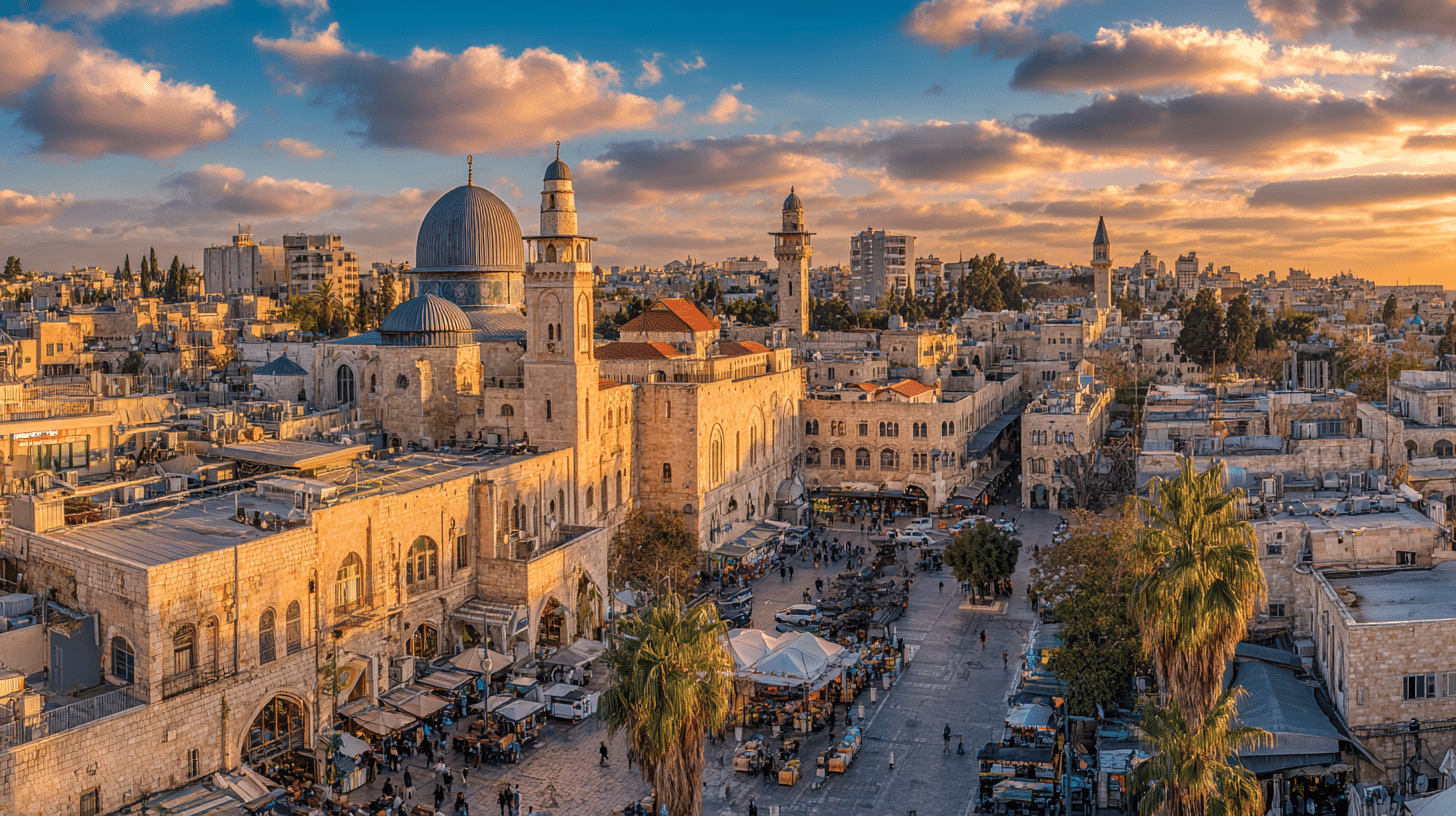
Is it safe to travel to Israel? It’s the question on every traveler’s mind right now, and the honest answer is more nuanced than a simple yes or no. Israel remains one of the most visited destinations in the Middle East, drawing millions of pilgrims, history lovers, and beach-goers every year. Yet regional tensions, shifting travel advisories, and headline news make many people hesitate before booking. In this guide we break down exactly what you need to know so you can make a confident, informed decision about visiting Israel.
Below you’ll find current safety realities, region-by-region advice, practical precautions, and expert resources. Whether you’re planning a spiritual journey to Jerusalem, a tech-and-nightlife weekend in Tel Aviv, or a float in the Dead Sea, this article gives you the balanced picture that news clips often leave out.
Table of Contents
- Is It Safe to Travel to Israel Right Now?
- Understanding Travel Advisories
- Region-by-Region Safety Breakdown
- 7 Essential Safety Tips for Travelers
- Travel Insurance and Preparation
- What to Pack for a Safe Trip
- Trusted Resources and Organizations
- Frequently Asked Questions
- Final Verdict
Is It Safe to Travel to Israel Right Now?
When people ask is it safe to travel to Israel, they’re usually reacting to something they saw in the news. The reality on the ground is often very different from the dramatic imagery broadcast internationally. Most tourist hubs — Jerusalem’s Old City, Tel Aviv’s beaches, Haifa, Nazareth, and the Dead Sea resorts — continue to welcome visitors and operate normally.
That said, Israel is a region with real and sometimes rapidly changing security concerns. Border areas, particularly near Gaza, Lebanon, and parts of the West Bank, carry elevated risk and should be approached with caution or avoided entirely depending on current conditions. The key is to separate blanket fear from targeted, location-specific awareness.
Israel also has one of the most sophisticated civil-defense and emergency-alert systems in the world. Bomb shelters are common, public alerts are instantaneous, and security infrastructure is woven into daily life. For most travelers who stay informed and stick to established tourist areas, a trip can be completed safely and memorably.
It also helps to understand why perception and reality diverge so sharply here. International media tends to focus on flashpoints because they generate attention, but a single incident in a border town does not reflect conditions 100 kilometers away in a coastal resort. Seasoned travelers learn to read the map, not just the headline. The practical experience of walking through a bustling market in the Old City, sharing a meal with locals, or watching the sunrise over the Judean Desert rarely makes the news — yet it is the everyday reality for the vast majority of visitors.
Another reassuring factor is the sheer density of professional tourism infrastructure. Licensed guides, well-run hotels, organized day tours, and a highly developed emergency system mean you are rarely far from help. Compared with many destinations where travelers worry about petty crime, Israel’s streets are generally very safe for walking, and violent crime against tourists is rare. The main concerns are geopolitical rather than street-level, which is precisely why region-specific research matters more than a blanket judgment.
Understanding Travel Advisories Before You Go
Before deciding whether the country is right for your plans, check your government’s official travel advisory. These advisories are tiered — from “exercise normal precautions” to “do not travel” — and they often differentiate between regions within the same country.
Don’t just read the headline rating. Scroll into the detailed section where advisories name specific cities, border zones, and crossings. A country-wide “reconsider travel” label frequently coexists with large areas that remain perfectly fine for tourism. Humanitarian bodies such as the ICRC and the IOM also publish situational updates that help you understand conditions beyond the tourist lens.
Advisories change. Subscribe to alerts, register with your embassy, and re-check 48 hours before departure. A smart tool for keeping all of this organized is the Travel Planner, which helps you map your itinerary around current conditions.
Region-by-Region Safety Breakdown
Asking about safety without specifying where is like asking if a whole continent is safe. Here’s how the major areas stack up for typical visitors.
Jerusalem
The Old City and major religious sites remain the heart of tourism. Crowds, security checkpoints, and a visible police presence are normal. Stay alert in politically sensitive spots and avoid demonstrations, but millions visit safely each year.
Tel Aviv and the Coast
Tel Aviv is modern, liberal, and lively, with beaches, cafés, and a thriving tech scene. It is generally considered one of the safest and most relaxed places for international travelers in the country.
The Dead Sea and the North
Dead Sea resorts, Haifa, Nazareth, and the Galilee are popular and typically calm. Proximity to the northern border means conditions can shift, so monitor advisories for the Lebanon frontier.
Border Zones and the West Bank
Areas near Gaza and some parts of the West Bank carry the highest risk. Independent travel here requires careful research, and many advisories recommend avoiding these zones. When in doubt, book a reputable guided tour rather than exploring solo.
7 Essential Safety Tips for Travelers to Israel
If you’ve decided the country fits your plans, these precautions will keep your trip smooth and secure.
- Register with your embassy. Enrollment programs let your government reach you fast during emergencies.
- Download emergency alert apps. Israel’s Home Front Command app provides real-time safety notifications.
- Know your nearest shelter. Hotels and public buildings have designated safe rooms — locate them on arrival.
- Keep a charged phone and local SIM. Staying connected is non-negotiable. A reliable eSIM from Airalo keeps you online the moment you land.
- Avoid crowds and demonstrations. Political gatherings can escalate quickly; give them a wide berth.
- Use trusted transport. Rent from vetted providers through Local rent services and book tours via Viator for vetted, insured guides.
- Carry copies of your documents. Keep digital and physical backups of your passport and insurance.
Flexibility matters too. Book flights that allow changes — comparing fares through Sales platforms makes it easier to adjust if conditions change. Planning ahead is far cheaper than scrambling last minute.
Travel Insurance and Smart Preparation
No conversation about Israel travel safety is complete without insurance. A strong policy that covers trip interruption, medical evacuation, and conflict-related cancellations is essential for this region — standard policies often exclude “acts of war,” so read the fine print carefully.
Start with our Complete Guide: 7 Proven Tips for Travel Insurance to understand what to look for. Then compare specialized plans through providers like Travel insurance specialists who offer higher-risk destination coverage.
Preparation also means knowing how reputable aid and development organizations operate in the region. Groups such as International development bodies and regional alliances like ECOWAS demonstrate how structured crisis response works — reassuring context for cautious travelers researching global hotspots.
If you’re extending your journey elsewhere afterward, resources like our 10 Essential Hotels to Stay in Nepal guide can help you plan a safer, well-organized multi-country trip.
Timing your visit well can also reduce stress. Shoulder seasons — spring and autumn — bring pleasant weather, thinner crowds, and more flexible pricing. Avoid traveling during major religious holidays if you prefer quieter sites, as both tourist numbers and local tensions can rise during these peak periods. Building a buffer day or two into your itinerary gives you room to adapt if a particular area becomes temporarily inadvisable, letting you pivot to an alternative region without derailing the whole trip.
Finally, trust your instincts and the advice of locals. Hotel staff, licensed guides, and residents have an intuitive sense of which areas are calm on any given day. If a guide suggests changing a route or postponing a visit to a particular neighborhood, listen. This kind of real-time, on-the-ground knowledge is often far more current than any published advisory, and it is one of the most valuable safety tools you have while actually in the country.
What to Pack for a Safe and Comfortable Trip
Dressing appropriately is part of staying safe and respectful in Israel, especially around religious sites. Modest, breathable clothing helps you blend in and avoid unwanted attention. The desert sun is intense, so sun protection is a must.
For modest coverage at holy sites, a versatile wrap like the Sequin Glamour Scarf works beautifully — it doubles as a shoulder cover for churches, synagogues, and mosques while still looking stylish for evenings in Tel Aviv.
Comfortable, culturally aware apparel matters too. A relaxed piece like this South Sudan T Shirt for Men Women is breathable for long days of walking the Old City. And for sun protection, a durable cap such as the Vietnam Veterans Adjustable Embroidered Cotton Cap shields you from the harsh Middle Eastern sun.
Want something personalized for your pilgrimage or group trip? Explore our Custom Design service to create matching travel gear. You can browse the full range of Travel Apparel – Stunning Adventure Fashion to kit out your entire journey.
Trusted Resources and Organizations
Staying informed is the single best safety tool. Lean on authoritative sources rather than social media rumors when weighing a visit.
- ICRC — humanitarian updates and regional context.
- IOM — migration and movement advisories.
- International — development and crisis-response insight.
- ECOWAS — a model of regional coordination.
- Travel Planner — organize your itinerary around live conditions.
Follow us for ongoing updates on Next Door and subscribe to our Substack for in-depth destination safety guides delivered straight to your inbox.
Frequently Asked Questions
Is it safe to travel to Israel for tourists right now?
For most tourists sticking to major hubs like Jerusalem, Tel Aviv, and the Dead Sea, travel is generally manageable with precautions. Always check current advisories and avoid border zones near Gaza and Lebanon, where risk is elevated.
What areas of Israel should travelers avoid?
Travelers should avoid areas near the Gaza border, parts of the West Bank, and the northern Lebanon frontier. These zones carry the highest security risk, and many advisories recommend not visiting them independently.
Do I need special travel insurance to visit Israel?
Yes. Choose a policy that covers trip interruption, medical evacuation, and ideally conflict-related cancellations. Many standard plans exclude “acts of war,” so read terms carefully and consider a specialized high-risk destination provider.
Final Verdict: Is It Safe to Travel to Israel?
So, is it safe to travel to Israel? For the informed, prepared traveler who respects advisories and sticks to established tourist regions, the answer is often yes — millions visit safely every year. The country’s remarkable history, spirituality, and vibrant cities remain accessible to those who plan wisely. Just stay flexible, stay insured, and stay away from active border zones.
Ready to prepare for your adventure? Equip yourself with stylish, travel-ready essentials from Around The World In A Rush, map your route with the Travel Planner, and travel smart. 🌍✈️
Tags: #TravelSafety #IsraelTravel #MiddleEast #TravelTips #SafeTravel #TravelInsurance #Jerusalem #TelAviv