If you have ever asked yourself what the capital en France is, the answer is simple yet endlessly fascinating: Paris. Known as the City of Light, the capital en France is one of the most beloved travel destinations on Earth, drawing millions of visitors each year with its blend of history, art, cuisine, and romance. Whether you are planning your first European getaway or you are a seasoned traveler returning for another taste of French charm, understanding the capital en France helps you make the most of your trip.
In this comprehensive guide, we will explore everything from the rich history of the capital en France to its most iconic landmarks, cultural highlights, and practical travel tips. We will also share smart resources and gear that make your journey smoother. Let’s dive in!
Table of Contents
- What Is the Capital en France?
- A Brief History of Paris
- Top Landmarks in the French Capital
- Culture, Food, and Fashion
- Practical Travel Tips
- Getting Around the Capital
- What to Pack for Paris
- Frequently Asked Questions
What Is the Capital en France?
The capital en France is Paris, a global center for art, fashion, gastronomy, and culture. Situated along the Seine River in the north-central part of the country, Paris has served as the political, economic, and cultural heart of France for centuries. With a population exceeding two million people within the city limits—and over twelve million in the greater metropolitan area—it is by far the largest urban center in France.
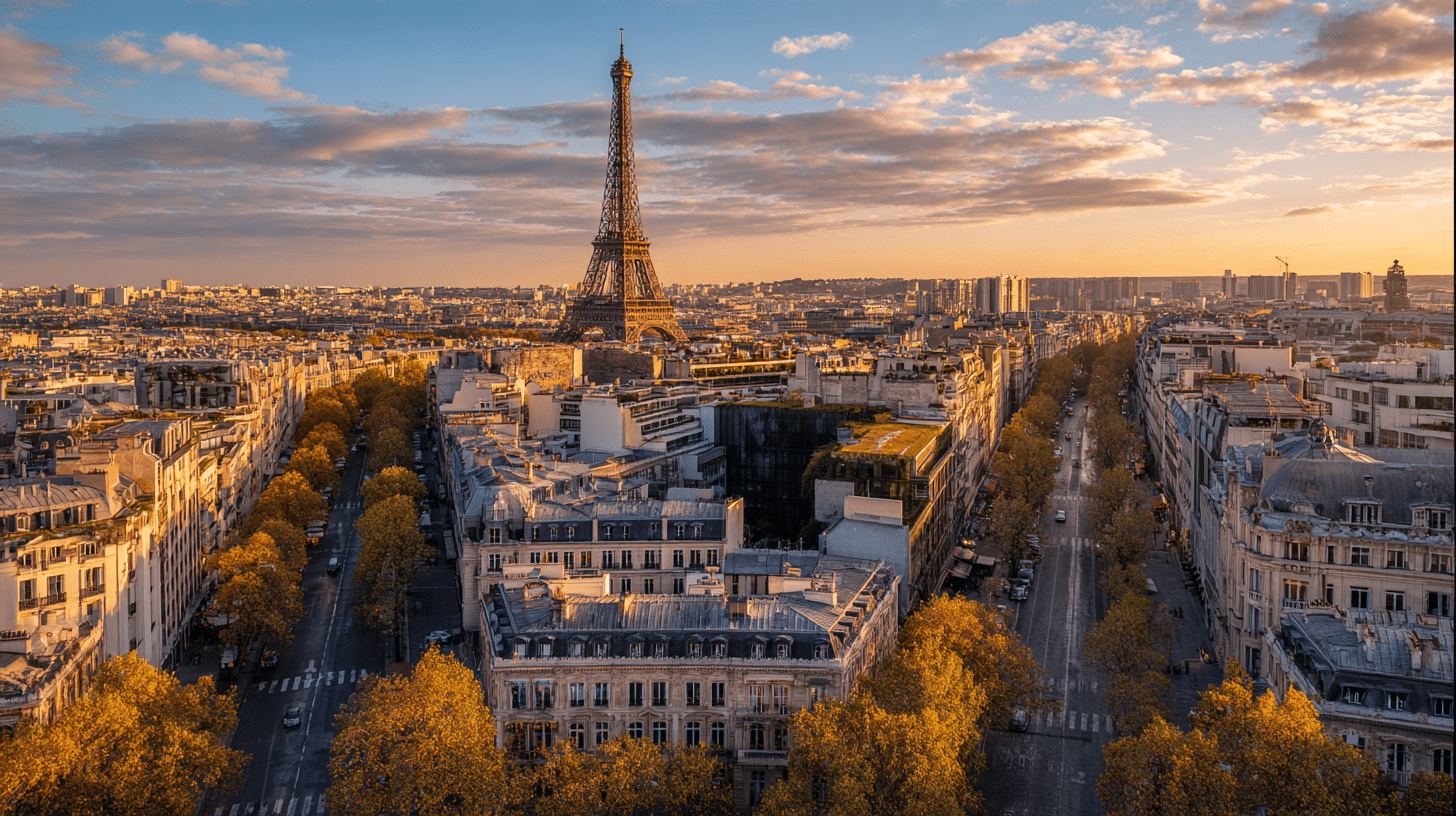
Paris is divided into 20 administrative districts known as arrondissements, spiraling outward from the city center in a clockwise pattern. Each arrondissement has its own distinct personality, from the historic Marais to the artistic Montmartre and the upscale neighborhoods near the Champs-Élysées.
Before you set off, consider using a reliable Travel Planner to organize your itinerary and make sure you don’t miss a single highlight of the capital en France.
A Brief History of Paris
The story of the capital en France stretches back more than two thousand years. Originally founded as a Celtic settlement by the Parisii tribe around the 3rd century BC, the city later became a Roman town called Lutetia. Over the centuries, Paris grew from a modest riverside community into one of the most powerful and influential cities in the world.
During the Middle Ages, Paris flourished as a center of learning and religion. The construction of Notre-Dame Cathedral began in 1163, and the University of Paris emerged as one of Europe’s leading academic institutions. The Renaissance and the era of French kings brought grand palaces, wide boulevards, and magnificent gardens.
The French Revolution of 1789 transformed the capital en France forever, ushering in ideals of liberty, equality, and fraternity that still resonate today. In the 19th century, Baron Haussmann redesigned the city with its now-iconic wide avenues and uniform buildings. By the 20th century, Paris had cemented its reputation as a hub for artists, writers, and revolutionaries.
Key Historical Milestones
- 3rd century BC: Founding by the Parisii tribe.
- 1163: Construction of Notre-Dame Cathedral begins.
- 1789: The French Revolution begins in Paris.
- 1889: The Eiffel Tower is completed for the World’s Fair.
Top Landmarks in the French Capital
No visit to the capital en France is complete without seeing its world-famous landmarks. Here are the must-visit sights that define Paris:
1. The Eiffel Tower
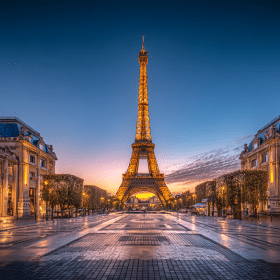
Perhaps the most recognizable symbol of the capital en France, the Eiffel Tower stands 330 meters tall and offers breathtaking views of the city. Built by Gustave Eiffel for the 1889 World’s Fair, it attracts nearly seven million visitors annually.
2. The Louvre Museum
Home to the Mona Lisa and countless masterpieces, the Louvre is the world’s largest art museum. The glass pyramid entrance has become an icon in its own right.
3. Notre-Dame Cathedral
This Gothic masterpiece has stood at the heart of the capital en France for over 850 years. Despite the 2019 fire, restoration efforts have preserved its extraordinary legacy.
4. The Champs-Élysées and Arc de Triomphe
The famous avenue leads to the majestic Arc de Triomphe, commissioned by Napoleon to honor his army. It’s a perfect spot for shopping, dining, and people-watching.
5. Montmartre and Sacré-Cœur
This bohemian neighborhood offers charming streets, artists’ squares, and the stunning white domes of the Sacré-Cœur Basilica perched atop a hill overlooking the city.
To book skip-the-line tickets and guided tours for these attractions, check out Viator for the best experiences in the capital en France.
Culture, Food, and Fashion
The capital en France is a global trendsetter when it comes to culture, cuisine, and style. Parisian cafés invite you to linger over a coffee and croissant, while world-class restaurants serve everything from classic coq au vin to avant-garde tasting menus.
Fashion is deeply woven into the identity of Paris. As the birthplace of haute couture, the city hosts Paris Fashion Week twice a year, drawing designers and celebrities from around the globe. If you want to channel that effortless Parisian elegance during your trip, consider adding a stylish accessory to your wardrobe. The Sequin Glamour Scarf is a perfect way to add a touch of sophistication to any outfit while strolling the boulevards.
For travelers who love meaningful jewelry, the Tree Of Life Pendant — Turquoise Beaded Necklace makes a beautiful accent for evenings spent dining along the Seine. And if you want a comfortable everyday travel piece, the South Sudan T Shirt for Men Women is a great option for casual sightseeing days.
Explore the full collection of stylish travel gear at Travel Apparel – Stunning Adventure Fashion.
Must-Try French Foods
- Croissants: The quintessential Parisian breakfast.
- Macarons: Colorful, delicate almond cookies.
- Escargot: A classic French delicacy.
- Baguette: Fresh from a local boulangerie.
- Crêpes: Sweet or savory, enjoyed on the go.
Practical Travel Tips for the Capital en France
Traveling to the capital en France requires a bit of preparation to ensure a smooth and enjoyable trip. Here are some essential tips to keep in mind:
Get Travel Insurance
Before any international trip, protect yourself with a solid insurance policy. Read our Complete Guide: 7 Proven Tips for Travel Insurance to find the right coverage. You can also compare policies through Travel insurance providers for peace of mind.
Choose the Right Credit Card
Using a travel-friendly credit card can save you money on foreign transaction fees while earning rewards. Check out our roundup of the 7 Best Credit Cards For Travel: Insider Hacks before you go.
Stay Connected
Avoid roaming charges by picking up an eSIM. With Airalo, you can get affordable data plans that keep you connected throughout the capital en France and beyond.
Book Flights and Rentals Early
Find great deals on flights through Sales, and if you plan to explore the French countryside, reserve a car through Local car rental services.
Getting Around the Capital
The capital en France boasts one of the most efficient public transportation systems in the world. The Paris Métro, with its 16 lines and hundreds of stations, makes it easy to travel across the city quickly and affordably. Buses, trams, and the RER regional trains complement the Métro network.
For a more scenic experience, consider walking. Paris is remarkably pedestrian-friendly, and many of its most famous attractions are within walking distance of one another. Cycling is also popular thanks to the Vélib’ bike-sharing system.
Transportation Options at a Glance
- Métro: Fast, frequent, and affordable.
- Bus: Great for above-ground views.
- RER Trains: Ideal for reaching the suburbs and airports.
- Walking: Perfect for exploring central neighborhoods.
- Bikes: Fun and eco-friendly.
What to Pack for Paris
Packing smart is key to enjoying the capital en France. The weather can be unpredictable, so layers are essential. Comfortable walking shoes are a must since you’ll likely be exploring on foot much of the time.
Don’t forget a stylish accessory or two to help you blend in with the fashion-forward locals. Whether it’s a chic scarf or a statement necklace, adding a touch of personal style enhances your Parisian experience.
Packing Checklist
- Comfortable walking shoes
- Layered clothing for changing weather
- A stylish scarf or accessory
- Universal power adapter
- Reusable water bottle
- Compact umbrella
Responsible and Ethical Travel
As you explore the capital en France, consider supporting responsible tourism and being mindful of global humanitarian efforts. Organizations such as the ICRC, International, IOM, and regional bodies like ECOWAS work tirelessly to promote peace, migration support, and development worldwide. Traveling with awareness makes each journey more meaningful.
Stay inspired by following our community on Next Door and subscribing to our Substack for more travel guides and tips.
Beyond the Capital: More Destinations
Once you’ve soaked in the magic of the capital en France, you might feel inspired to explore other corners of the globe. If Asia is calling, check out our guide to the 10 Essential Hotels to Stay in Nepal for your next adventure.
Whatever your next destination, remember that thoughtful preparation and the right tools transform any trip into an unforgettable experience. Start planning today with our free Travel Planner.
Frequently Asked Questions
What is the capital en France?
The capital en France is Paris, the largest city in the country and a global hub for art, culture, fashion, and cuisine. It sits along the Seine River in north-central France.
Why is Paris the capital en France?
Paris became the capital en France due to its central location, strategic importance along the Seine, and its long history as the political and cultural heart of the nation dating back over a thousand years.
What is the best time to visit the capital en France?
The best times to visit Paris are during spring (April to June) and fall (September to November), when the weather is pleasant and the crowds are smaller than in peak summer.
How many days do you need to see the capital en France?
Most travelers recommend spending at least three to four days in Paris to see the major landmarks, enjoy the museums, and experience the local culture without feeling rushed.
Is the capital en France expensive to visit?
Paris can be expensive, but with smart planning, budget accommodations, public transportation, and free attractions, you can enjoy the capital en France without breaking the bank.
What language is spoken in the capital en France?
French is the official language of the capital en France, though many people in the tourism industry speak English. Learning a few basic French phrases enhances your experience.
Final Thoughts
The capital en France, Paris, is a timeless destination that captivates every visitor with its rich history, stunning architecture, world-class art, and irresistible cuisine. From the towering Eiffel Tower to the charming streets of Montmartre, there is always something new to discover in the City of Light.
By preparing wisely—securing travel insurance, choosing the right credit card, staying connected, and packing stylish essentials—you’ll be ready to fully embrace the magic of the capital en France. Start planning your dream trip today and let the adventure begin!