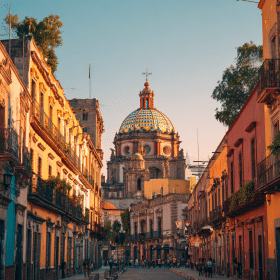

The do not travel list is one of the most important tools any smart traveler can check before booking a flight, and in 2026 it matters more than ever. Issued by governments and echoed by humanitarian bodies, the do not travel list flags countries where active conflict, terrorism, kidnapping, or civil unrest make visits genuinely dangerous. Understanding how this list works — and how to plan around it — can save your money, your trip, and quite possibly your life.
In this destination guide we break down what the do not travel list actually means, which regions commonly appear on it, and how to travel the world responsibly without ignoring real warnings. Whether you are a seasoned backpacker or planning your first big adventure, this is the practical, no-nonsense briefing you need.
Table of Contents
- What Is a Do Not Travel List?
- The 4 Travel Advisory Levels Explained
- Why Countries Land on the Do Not Travel List
- Countries Commonly on the Do Not Travel List
- How to Plan Around the Do Not Travel List
- Travel Gear That Honors the Journey
- Essential Tools for Safer Travel
- Frequently Asked Questions
- Final Thoughts
What Is a Do Not Travel List?
A do not travel list is the highest-tier warning that a government issues to its citizens, advising them to avoid certain destinations entirely. In the United States this appears as a “Level 4: Do Not Travel” advisory. The United Kingdom, Canada, and Australia publish their own equivalents, each using slightly different language but the same core message: the risk to your personal safety outweighs any reason to go.
These advisories are not arbitrary. They are built from intelligence reports, on-the-ground diplomatic assessments, and data shared by humanitarian organizations such as the ICRC, which tracks armed conflict and civilian protection worldwide. When a country appears on the do not travel list, it usually means embassies have limited ability to help you if something goes wrong.
It is also worth remembering that advisories change. A destination can move on or off the list as conditions evolve, so the list you checked six months ago may already be outdated.
The 4 Travel Advisory Levels Explained
Most government systems use a four-tier scale. Knowing where your destination falls helps you make a calm, informed decision instead of reacting to headlines.
- Level 1 — Exercise Normal Precautions: The lowest risk. Standard common-sense travel safety applies.
- Level 2 — Exercise Increased Caution: Heightened risks in specific areas. Stay alert and research local conditions.
- Level 3 — Reconsider Travel: Serious risks. Only go if your trip is essential and you have a solid safety plan.
- Level 4 — Do Not Travel: The actual do not travel list. Life-threatening risk; evacuation and consular support may be impossible.
Many countries contain regions at different levels. A capital city might be Level 2 while a border province is Level 4. Always read the detail, not just the top-line number.
Reading the Fine Print
Advisory pages include maps, dates, and specific neighborhoods. This granularity matters because a blanket “do not travel” headline can obscure the fact that most of a country is perfectly safe. Combine official guidance with trusted local insight before you cancel — or commit to — a trip.
Headlines love drama, but advisories are written by analysts, not marketers. When a major news event breaks, the media may paint an entire nation as a war zone when the situation is actually confined to a single province hundreds of miles from the tourist trail. Learning to read advisory maps and date stamps gives you a far more accurate picture than social media ever will. Note when the page was last reviewed, which exact areas are highlighted, and whether the warning applies to the whole country or only to border regions, specific cities, or particular routes.
Another underrated detail is the reason code attached to each advisory. Governments often tag warnings with letters or icons representing crime, terrorism, health, or natural disaster. A Level 3 advisory driven by petty crime is a very different proposition from one driven by active kidnapping — and your preparation should reflect that difference.
Why Countries Land on the Do Not Travel List
Understanding the “why” behind the do not travel list helps you assess risk like a professional rather than a nervous first-timer. The most common triggers include:
- Armed conflict and war: Active fighting, shelling, or front lines.
- Terrorism: A credible, ongoing threat of attacks on civilians.
- Kidnapping and hostage-taking: Particularly targeting foreign nationals.
- Civil unrest: Coups, mass protests, and breakdowns of law and order.
- Wrongful detention: Risk of being arbitrarily arrested or held.
- Health emergencies: Outbreaks with collapsed medical infrastructure.
Humanitarian agencies such as the IOM and Plan International work in many of these high-risk zones, and their field reports often confirm why a region is unsafe for ordinary visitors. Regional bodies like ECOWAS also issue security updates across West Africa that mirror advisory changes.
Countries Commonly on the Do Not Travel List
While the exact roster shifts, certain destinations appear on the do not travel list year after year. As of 2026, these regions frequently carry Level 4 warnings:
- South Sudan: Ongoing armed conflict and crime.
- Syria: Terrorism, armed conflict, and wrongful detention.
- Yemen: War, terrorism, and a severe humanitarian crisis.
- Afghanistan: Terrorism, civil unrest, and detention risk.
- Somalia: Terrorism, kidnapping, and piracy.
- Libya: Crime, terrorism, and armed conflict.
- Mali and Burkina Faso: Terrorism and kidnapping.
- Haiti: Kidnapping, crime, and civil unrest.
These places often have rich cultures and resilient communities, and many travelers feel a genuine connection to them even when a visit is not possible. Wearing something like the South Sudan T-Shirt for Men & Women is a meaningful way to show solidarity with a nation on the list while supporting awareness from afar.
It is worth stressing that inclusion on the list is rarely permanent. Countries like Colombia, Sri Lanka, and Rwanda were once synonymous with danger and now welcome millions of visitors each year. Advisories respond to real-time conditions, which means a destination that is off-limits today could reopen to tourism within a few years as peace agreements hold, elections stabilize, or outbreaks subside. Keeping a personal “someday” list of these recovering destinations is a wonderful way to stay hopeful and ready to travel the moment it becomes safe.
The flip side is also true: a destination that felt perfectly safe last season can escalate quickly after a coup, a contested election, or a sudden outbreak. This is exactly why checking the advisory immediately before you book — and again before you fly — is non-negotiable rather than optional.
Respecting Communities on the List
A destination being unsafe for tourism does not make its people any less worthy of respect and support. Humanitarian donations, advocacy, and conscious purchasing all keep these regions in the global conversation. The do not travel list is about safety, not judgment.
How to Plan Around the Do Not Travel List
You do not have to abandon your dream of global adventure just because some destinations are off-limits. Smart planning lets you redirect your energy toward incredible, safe alternatives. Here is a practical workflow.
1. Check Multiple Official Sources
Cross-reference your own government’s advisory with those of other countries. If three nations independently flag the same region, take it seriously.
2. Build a Flexible Itinerary
Use the free Travel Planner to map safe routes, backup destinations, and realistic timelines. A flexible plan means you can pivot instantly if an advisory changes mid-trip.
3. Lock In Proper Insurance
Standard policies often void coverage for Level 4 zones. Read our complete guide to travel insurance and compare specialist plans through providers like Allianz Travel before you depart.
4. Choose Safe, Inspiring Alternatives
Craving adventure in a stunning, welcoming country? Browse our 10 essential hotels to stay in Nepal for a Himalayan trip that delivers awe without the risk.
5. Book the Logistics Early
Secure flights with Sales, arrange a rental car through Local, stay connected with an Airalo eSIM, and pre-book tours via Viator so you are never improvising in an unfamiliar place.
Travel Gear That Honors the Journey
The right gear is about more than style — it is about carrying the spirit of your travels and the causes you care about. Our collection celebrates both the destinations you can visit and those currently on the do not travel list.
For veterans and history-minded travelers, the Vietnam Veterans Embroidered Hat is a classic, adjustable piece that makes a thoughtful gift for a dad, grandpa, or uncle who served.
Looking for something with grounding, symbolic meaning for your travels? The Tree of Life Pendant — Turquoise Beaded Necklace represents growth, connection, and resilience — perfect for a traveler who values every journey. Want it personalized? Explore our custom design service to make it truly yours.
Discover the full range of Travel Apparel – Stunning Adventure Fashion designed for explorers who wear their wanderlust with pride.
Essential Tools for Safer Travel
Staying informed is the single best defense against the risks behind the do not travel list. Build these habits and resources into your routine:
- Follow the experts: Join our community on Next Door and read deeper dives on our Substack.
- Register with your embassy: Enrollment programs let your government reach you in a crisis.
- Map everything first: Start every itinerary in the Travel Planner so your routes and backups are ready before you fly.
- Keep digital copies: Store your passport, insurance, and emergency contacts in the cloud.
These simple steps turn anxiety into preparedness, letting you focus on the joy of exploring rather than the fear of the unknown.
Building a Personal Safety Routine
Seasoned travelers treat safety like a habit rather than a one-off task. Before each trip, they share a copy of their itinerary with a trusted friend at home, agree on a check-in schedule, and identify the nearest embassy or consulate at every stop. They also learn a handful of key phrases in the local language — “help,” “police,” “hospital,” and “I need a doctor” can make an enormous difference in an emergency.
Financial preparedness matters too. Carry a modest amount of local cash hidden separately from your main wallet, keep a backup payment card in a different bag, and note the emergency hotline for your bank. If an advisory suddenly jumps a level while you are abroad, having liquid funds and a flexible plan lets you relocate or fly home quickly instead of scrambling under pressure.
Finally, trust your instincts. Advisories and apps are powerful tools, but your own situational awareness is the final safeguard. If a neighborhood, border crossing, or transport option feels wrong, step back and reassess. No photo, tour, or shortcut is worth your safety.
Frequently Asked Questions
What does it mean if a country is on the do not travel list?
It means your government has assessed the destination as having life-threatening risks — such as war, terrorism, or kidnapping — and strongly advises against all travel there. Consular help may be unavailable if you go anyway.
Can I still travel to a country on the do not travel list?
Legally, in most cases yes — the do not travel list is advisory, not an outright ban. However, your travel insurance will likely be void, embassies may not be able to assist you, and you accept extreme personal risk by going.
How often is the do not travel list updated?
Advisories are reviewed continuously and can change within days during a crisis. Always check the official source immediately before booking and again just before departure, since conditions on the do not travel list can shift fast.
Final Thoughts
The do not travel list is not meant to shrink your world — it is designed to help you explore it wisely. By understanding advisory levels, checking trusted sources, insuring your trip properly, and choosing safe, inspiring alternatives, you can keep adventuring with confidence. The planet is enormous, and there are countless breathtaking destinations waiting for you that never appear on any warning list.
Ready to plan your next safe adventure and travel in style? 🌍 Explore our full range of travel apparel and accessories and start mapping your journey with the Travel Planner today. ✈️
Tags: #DoNotTravelList #TravelSafety #TravelAdvisory #SafeTravel #TravelPlanning #Wanderlust #AroundTheWorldInARush