
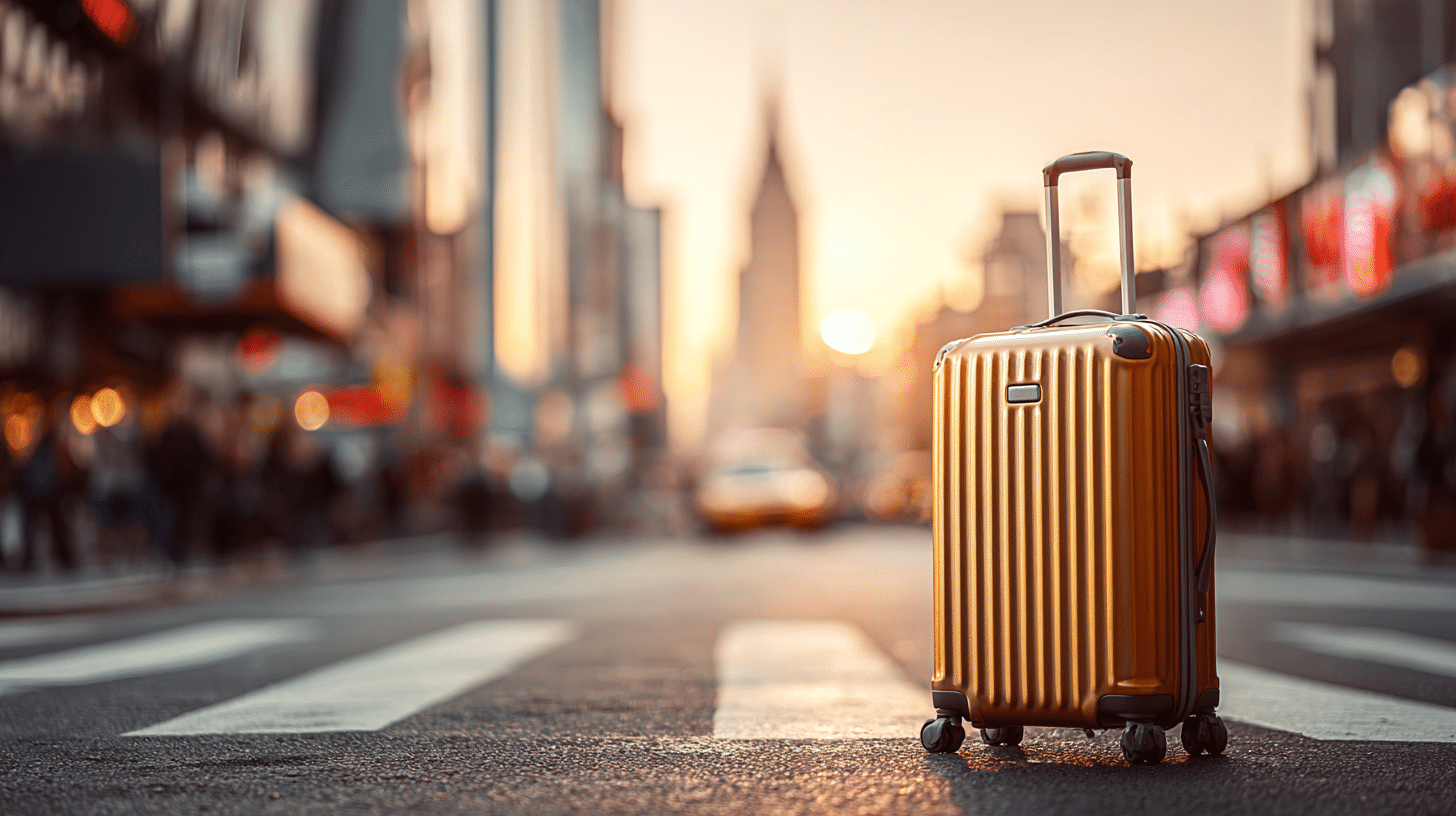
How to pack a carry on like a seasoned globetrotter is one of the most valuable travel skills you can learn, and once you master it you’ll never dread the boarding gate again. Whether you’re hopping on a weekend city break or a two-week international adventure, knowing how to pack a carry on properly saves you money on baggage fees, time at the airport, and a whole lot of stress. In this guide we’ll walk through 9 genius space-saving tips that turn a tiny bag into a travel powerhouse.
Table of Contents
- Why Mastering How to Pack a Carry On Saves You Time and Money
- Choosing the Right Carry On Luggage Before You Pack
- The Roll vs. Fold Debate: Which Maximizes Space?
- Using Compression Packing Bags and Packing Cubes Set for Smart Organization
- Smart Shoe and Toiletry Packing with Shoe Bags for Travel
- Your Essential Packing List for Travel (Carry On Edition)
- Staying Under TSA Limits and Avoiding Baggage Fees
- Frequently Asked Questions About Packing a Carry On
- Final Thoughts: Pack Light, Travel in a Rush
Why Mastering How to Pack a Carry On Saves You Time and Money
Learning how to pack a carry on is about more than cramming clothes into a bag. It’s a mindset that pays off every single trip. Checked baggage fees can add $30 to $60 each way per bag, and that adds up fast over a year of travel.
When you travel carry-on only, you skip the check-in queue, breeze past baggage claim, and eliminate the risk of a lost suitcase. You’re more mobile, more flexible, and frankly, more relaxed. Think about how many hours you’ve lost standing at a slow-moving carousel, only to watch your bag appear last. That time is better spent sipping a coffee in arrivals or getting a head start on your adventure.
There’s also a surprising environmental and physical benefit. A lighter load means you’re not dragging 50 pounds up subway stairs or across cobblestone streets. Minimalist packing forces you to bring only what you truly need, which makes decisions easier once you’re on the road. Over time, this discipline becomes second nature and your trips feel lighter in every sense of the word.
Smart packing also pairs beautifully with the right documentation. If you want to move through security even faster, review our deep dive on the 5 essential changes to your Known Traveler Number in 2025 to keep your airport flow seamless from curb to gate.
- Save money: Avoid checked-bag fees on every leg of your journey.
- Save time: No waiting at the carousel when you land.
- Reduce stress: Your belongings stay with you the entire time.
Before you book your next flight, compare fares with flight deals and sales so your savings start before you even pack.
Choosing the Right Carry On Luggage Before You Pack
Great packing starts with great luggage. The bag you choose determines how much you can bring and whether you’ll sail through the gate or get flagged for being oversized. The key to smart carry-on packing begins long before the first item goes in.
Most airlines cap carry-on dimensions around 22 x 14 x 9 inches, though budget carriers can be stricter. Always check your specific airline’s policy, especially for international and low-cost flights.
Hard-Shell vs. Soft-Shell Bags
Hard-shell spinners protect fragile items and resist crushing, while soft-sided bags offer expandable pockets and squeeze into tight overhead bins. Your choice depends on your travel style.
- Hard-shell: Better protection, easier to clean, sleek look.
- Soft-shell: More flexible, extra external pockets, lighter.
Pair your main bag with a quality personal item. A versatile premium travel bag from our collection gives you a dedicated spot for electronics, snacks, and documents without eating into your carry-on space. For renting gear or vehicles once you arrive, browse trusted local rental options at your destination.
The Roll vs. Fold Debate: Which Maximizes Space?
Ask any frequent flyer about packing a carry on and you’ll spark the eternal debate: roll or fold? The honest answer is that the best packers do both, strategically.
When to Roll
Rolling works wonders for casual, wrinkle-resistant items like t-shirts, jeans, leggings, and pajamas. Tightly rolled clothes take up less vertical space and fit snugly into gaps.
When to Fold
Fold structured garments such as blazers, button-down shirts, and dress pants to keep creases crisp. Layering folded items flat also creates a stable base at the bottom of your bag.
- Lay folded structured items flat on the bottom.
- Add rolled casual clothes on top and along the sides.
- Tuck socks and small items into shoes and corners.
A great travel-friendly tee like this South Sudan T-Shirt for men and women rolls down small and resists wrinkles, making it an ideal carry-on companion. Planning a scenic road trip? Keep your wardrobe light and your itinerary tight with the Travel Planner.
Using Compression Packing Bags and Packing Cubes Set for Smart Organization
If there’s one upgrade that transforms the way you pack, it’s organization tools. Compression packing bags and a quality packing cubes set are the secret weapons of minimalist travelers everywhere.
Compression Packing Bags
Compression packing bags squeeze the air out of bulky items like sweaters and jackets, shrinking them to a fraction of their size. Roll or press the bag to force the air out and you’ll reclaim serious room.
Packing Cubes Set
A packing cubes set keeps your bag tidy by separating clothing types into dedicated compartments. You can grab exactly what you need without exploding your whole bag in a hostel bunk.
- Use one cube for tops, one for bottoms, one for underwear and socks.
- Color-code cubes so you instantly know what’s inside.
- Combine cubes with compression bags for maximum space savings.
Don’t forget a stylish layer for cooler flights or evenings out. A lightweight Sequin Glamour Scarf compresses flat yet instantly dresses up any outfit, and a sharp embroidered veterans baseball cap protects against sun without taking up any folding space. For more travel essentials and apparel, explore our travel apparel and stunning adventure fashion collection.
Smart Shoe and Toiletry Packing with Shoe Bags for Travel
Shoes and toiletries are the two biggest space-hogs in any carry-on. Handle them smartly and you’ll free up room for everything else.
Pack Smarter with Shoe Bags for Travel
Dedicated shoe bags for travel keep dirty soles away from clean clothes and let you slot footwear neatly along the edges of your bag. Stuff socks, chargers, or underwear inside each shoe to use every cubic inch.
- Limit yourself to two pairs: one worn, one packed.
- Wear your bulkiest shoes on the plane to save space.
- Place shoes sole-to-sole in a breathable bag.
Toiletry Tips
Decant liquids into travel-size bottles and keep them in a clear, quart-sized bag for easy security checks. Solid toiletries like shampoo bars and solid deodorant sidestep liquid limits entirely, and they weigh next to nothing. Multi-purpose products such as a tinted moisturizer with SPF or a 2-in-1 shampoo also cut down on the number of bottles you carry.
Keep a small zip pouch for cables, adapters, and chargers so they don’t tangle through your clothes. A single universal travel adapter replaces a drawer full of country-specific plugs, and a slim power bank keeps your phone alive during long transit days. These tiny organizational wins are exactly what separate a chaotic bag from one you can live out of for weeks.
Heading somewhere remote or overseas? Stay connected on arrival with an Airalo eSIM, and book unforgettable experiences through Viator tours and activities.
Your Essential Packing List for Travel (Carry On Edition)
A reliable packing list for travel is the backbone of every stress-free trip. Build a repeatable list once and you’ll never forget your charger or passport again. Here’s a carry-on-friendly starting point you can customize.
Clothing
- 5 tops (mix and match neutrals)
- 2 bottoms (one versatile pair of pants, one shorts or skirt)
- 1 light jacket or scarf layer
- Underwear and socks for the trip (or plan a laundry stop)
- Sleepwear and one dressy outfit
Essentials
- Passport, boarding pass, and travel documents
- Phone, charger, and power bank
- Travel-size toiletries in a clear bag
- Medications and a basic first-aid kit
- Reusable water bottle (empty through security)
Protect your trip investment before you go. Our complete guide with 7 proven tips for travel insurance walks you through coverage you actually need, and you can compare policies directly with Allianz travel insurance. For the right plastic to earn points on every booking, see our breakdown of the 7 best credit cards for travel.
Staying Under TSA Limits and Avoiding Baggage Fees
The final piece of carry-on mastery is understanding the rules so nothing gets confiscated or charged. A little preparation keeps you breezing through security.
The 3-1-1 Liquids Rule
Liquids must be in containers of 3.4 ounces (100ml) or less, fit inside one quart-sized clear bag, and you’re allowed one bag per passenger. Anything larger gets tossed at the checkpoint.
Avoid Sneaky Fees
- Weigh your bag at home to avoid overweight surprises.
- Know your airline’s exact carry-on dimensions.
- Board early so there’s still overhead bin space.
Where you stay matters too. If your next destination is the Himalayas, our roundup of 10 essential hotels to stay in Nepal pairs perfectly with a lean carry-on and a tight itinerary.
For travelers who care about responsible journeys, organizations like the ICRC, IOM, ECOWAS, and Plan International offer valuable context on the regions you visit. You can also follow our latest updates on Next Door and Substack. When you’re ready to map it all out, the Travel Planner ties your whole trip together.
Frequently Asked Questions About Packing a Carry On
How do you pack a carry on for a 7-day trip?
Learning how to pack a carry on for a week comes down to versatile, neutral clothing you can mix and match. Use a packing cubes set to separate outfits, roll casual clothes to save space, and plan a quick laundry stop around day four so you can repeat items without overpacking.
What is not allowed in a carry on bag?
Liquids over 3.4 ounces, sharp objects like full-size scissors and knives, flammable items, and certain sporting goods are not allowed in your carry-on. Always check the TSA website before you fly, since rules can change and vary by country.
Do compression packing bags really save space?
Yes, compression packing bags can shrink bulky clothing by up to 50 percent by forcing out trapped air. They’re especially useful for puffy jackets, sweaters, and towels, and they pair perfectly with a packing cubes set and shoe bags for travel for total organization.
Final Thoughts: Pack Light, Travel in a Rush
Mastering how to pack a carry on is a game-changer that saves you money, time, and endless airport stress. With the right luggage, a smart roll-and-fold strategy, compression packing bags, a trusty packing cubes set, and dedicated shoe bags for travel, you’ll fit more than you ever thought possible into one small bag.
Start with a solid packing list for travel, stay under TSA limits, and you’ll glide through every trip like a pro. Ready to travel lighter and look great doing it? Explore our travel apparel and adventure fashion, grab your essentials, and map your next adventure with the Travel Planner. ✈️🌍
Tags: #HowToPackACarryOn #CarryOnPacking #TravelTips #PackingCubes #TravelLight #ATWR