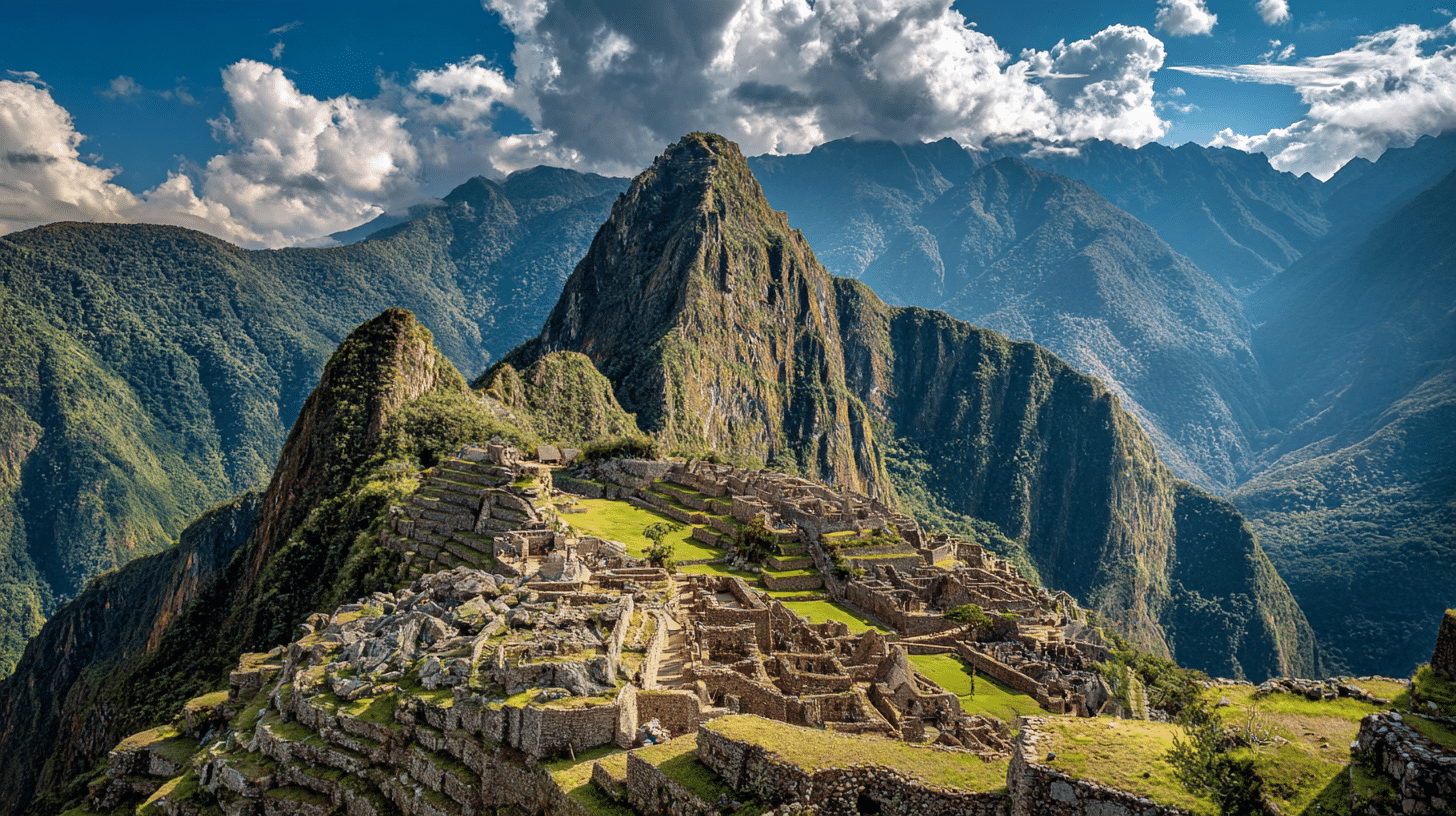
Is Peru safe to travel to? It’s the first question most travelers ask before booking flights to Machu Picchu, Cusco, or the Sacred Valley — and the honest answer is yes, Peru is safe to travel to for the vast majority of visitors who plan ahead and use common sense. Like any destination, Peru has regions and situations that call for extra care, but millions of tourists explore it safely every year. In this guide we break down crime, altitude, scams, solo travel, and the regions to watch so you can book your Andean adventure with total confidence.
Table of Contents
- Is Peru Safe to Travel To? A Quick Overview
- Crime and Petty Theft: What to Expect
- Safe Regions vs. Areas to Avoid
- Altitude Sickness and Health Safety
- Is Peru Safe for Solo and Female Travelers?
- Common Scams and How to Dodge Them
- 7 Proven Safety Tips for Peru
- Getting Around Peru Safely
- Best Time to Visit for a Safe, Smooth Trip
- Emergency Contacts and Staying Connected
- Smart Travel Gear and Planning Tools
- Frequently Asked Questions
- Final Thoughts
Is Peru Safe to Travel to? A Quick Overview
So, is Peru safe to travel to in today’s climate? For tourists, the short answer is a confident yes. Peru welcomes millions of international visitors annually, and the overwhelming majority enjoy trouble-free trips through Lima, Cusco, Arequipa, and the Amazon basin.
The main risks you’ll face are petty crime (pickpocketing and bag-snatching), altitude-related illness, and the occasional tourist scam — all of which are highly preventable. Violent crime against travelers is rare in the areas you’re likely to visit.
When you weigh up whether is Peru safe to travel to, it helps to compare it to other popular South American destinations. Peru sits comfortably in the mid-range: safer than some neighbors for tourists, with a well-worn trail that keeps you surrounded by fellow travelers and attentive locals.
Peru is a country of staggering contrasts: coastal deserts, soaring Andean peaks, and dense rainforest. Your safety strategy should flex with each region. With a bit of preparation, you’ll find Peruvians warm, hospitable, and eager to share their culture.
Crime and Petty Theft: What to Expect
When people ask whether is Peru safe to travel to, crime is usually their biggest worry. The reality is that petty theft — not violence — is the dominant concern for visitors.
Opportunistic theft is most common in crowded places: bus terminals, markets, busy plazas, and public transport. Thieves target distracted tourists with visible phones, cameras, or loosely held bags.
- Pickpocketing in Lima’s historic center and Cusco’s main square.
- Bag-snatching from cafe chairs and restaurant floors.
- Taxi scams involving unlicensed drivers, especially near airports.
- Distraction theft where one person diverts you while another grabs your gear.
The fix is simple: stay aware, keep valuables concealed, use official taxis or ride apps, and never leave belongings unattended. A cross-body bag worn in front beats a backpack in a crowd every time.
Safe Regions vs. Areas to Avoid
A huge part of answering “is Peru safe to travel to” comes down to where you go. The classic tourist trail is well-patrolled and safe, while a few remote zones warrant caution.
Generally Safe Tourist Areas
- Cusco and the Sacred Valley — the gateway to Machu Picchu, heavily touristed and well-policed.
- Arequipa — the elegant “White City” with a relaxed, safe center.
- Lima’s Miraflores and Barranco — upscale, walkable, and tourist-friendly neighborhoods.
- Lake Titicaca and Puno — a safe, scenic highland destination.
Areas Requiring Extra Caution
- The VRAEM region (Valley of the Apurímac, Ene, and Mantaro rivers) — avoid entirely due to drug-trafficking activity.
- Remote border zones with Colombia and the deep Amazon without a licensed guide.
- Certain outer districts of Lima after dark.
Stick to established routes and reputable tour operators, and you’ll steer clear of nearly every genuine danger zone.
Altitude Sickness and Health Safety
Any honest answer to “is Peru safe to travel to” has to address altitude — a safety factor many first-timers overlook. Cusco sits at around 3,400 meters (11,150 feet), and altitude sickness (soroche) affects a large share of visitors regardless of fitness.
Symptoms include headaches, nausea, dizziness, and fatigue. To minimize risk:
- Acclimatize gradually — spend a day or two resting before trekking.
- Hydrate constantly and skip alcohol on arrival.
- Sip coca tea, a traditional local remedy.
- Consider medication like acetazolamide after consulting your doctor.
Also stay vigilant about food and water: drink bottled or purified water, and ease into street food. For deeper preparation, read our Complete Guide: 7 Proven Tips for Travel Insurance so medical emergencies never derail your trip. Good coverage is non-negotiable in high-altitude destinations.
Is Peru Safe for Solo and Female Travelers?
Is Peru safe to travel to on your own? Yes — Peru is a popular and rewarding destination for solo adventurers and female travelers alike. Thousands explore it independently every year on the Gringo Trail, meeting fellow backpackers along the way.
That said, women should take sensible precautions, as catcalling and unwanted attention can occur in cities. Recommended habits include:
- Arranging airport transfers and arrivals during daylight when possible.
- Using trusted accommodation with good reviews.
- Avoiding walking alone late at night in unfamiliar areas.
- Keeping friends or family updated on your itinerary.
Humanitarian and development organizations such as International and the IOM publish broader context on safety and migration across Latin America that curious travelers may find useful for understanding the region.
Common Scams and How to Dodge Them
For anyone still asking is Peru safe to travel to financially, scams are an annoyance rather than a true danger — but knowing them keeps your wallet and your mood intact. The most common include:
- Taxi overcharging — always agree on a fare first or use an app.
- Fake tour operators selling nonexistent Machu Picchu tickets.
- Counterfeit currency handed back as change.
- “Found” jewelry or spilled-drink distraction tricks.
Book major excursions through verified platforms. For example, you can reserve Machu Picchu and Sacred Valley experiences via Viator, which filters out the fly-by-night operators that fuel most tour scams.
7 Proven Safety Tips for Peru
Still wondering is Peru safe to travel to for your specific trip? Follow these seven field-tested rules and you’ll tilt the odds firmly in your favor:
- Buy comprehensive travel insurance before you go — compare plans with Travel insurance providers that cover high-altitude trekking.
- Keep digital and paper copies of your passport and documents.
- Use a stable eSIM so you’re always connected — grab one from Airalo before landing.
- Book flights smartly and track fares through Sales comparison tools.
- Rent vehicles only from reputable agencies like Local car rental.
- Carry small bills and split your cash across pockets and bags.
- Trust your instincts — if a place or person feels off, walk away.
Humanitarian bodies like the ICRC emphasize preparedness and awareness anywhere you travel, and regional organizations such as ECOWAS model the kind of cross-border cooperation that keeps international travel safe. For end-to-end itinerary help, the Travel Planner maps everything in one place.
Getting Around Peru Safely
Transport often shapes how people feel about is Peru safe to travel to, so let’s tackle it head-on. The good news is that Peru’s tourist infrastructure is mature, and moving between cities is straightforward when you choose the right options.
Buses and Long-Distance Travel
Peru’s intercity buses are the backbone of budget travel. Premium operators offer comfortable, reclining “cama” seats, onboard restrooms, and GPS-tracked routes. Stick to reputable companies, travel during the day on mountain roads when possible, and keep your daypack on your lap rather than in the overhead rack.
Taxis and Ride Apps
In cities, avoid hailing random street taxis. Use licensed ride-hailing apps or have your hotel call a trusted driver. Agree on the fare before you set off if you’re using a metered-free taxi, and keep your phone out of sight at red lights in busy districts.
Trains to Machu Picchu
The scenic rail line to Aguas Calientes is safe, reliable, and genuinely spectacular. Book tickets in advance through official channels to avoid sold-out dates and counterfeit sellers. This is one of the most seamless and secure legs of any Peru itinerary.
Whether you’re flying domestically or renting wheels, locking in logistics early removes stress. Compare flights with Sales tools and secure a dependable rental through Local car hire so you never gamble on sketchy roadside operators.
Best Time to Visit for a Safe, Smooth Trip
Timing affects safety more than you’d think. Peru’s dry season (May to September) is the safest window for trekking the Inca Trail and exploring the highlands, with stable weather and clear mountain paths.
- Dry season (May–Sep): Ideal for trekking; cold nights, sunny days, minimal landslide risk.
- Shoulder season (Apr & Oct): Fewer crowds, decent weather, lower prices.
- Wet season (Nov–Mar): Lush landscapes but higher landslide and trail-closure risk; the Inca Trail closes every February for maintenance.
Choosing the right season reduces weather-related hazards and makes the whole “is Peru safe to travel to” equation even more favorable. Rainy-season travelers should build flexibility into their plans for occasional delays.
Emergency Contacts and Staying Connected
Preparation is the real answer to is Peru safe to travel to — and it’s your best safety net. Save these essentials before you depart and you’ll handle any hiccup calmly:
- Police: dial 105 nationwide.
- Tourist Police (Policía de Turismo): dedicated units in major tourist cities.
- Medical emergencies: dial 106 (SAMU).
- Your embassy contact details, saved offline.
- Your insurance provider’s 24/7 assistance line.
Staying connected matters most when something goes wrong. An eSIM from Airalo keeps you online the moment you land, so maps, translation apps, and emergency calls are always a tap away — no scrambling for a local SIM at the airport.
Smart Travel Gear and Planning Tools
Answering is Peru safe to travel to is also about smart travel, not just safe destinations. The right gear keeps your valuables secure and your trip stress-free. At Travel Apparel – Stunning Adventure Fashion, we design pieces built for globe-trotters who move fast and pack light.
Show off your explorer spirit with our South Sudan T Shirt for Men & Women — breathable, durable, and perfect for layering under an Andean fleece. For sun protection on exposed Machu Picchu trails, our embroidered cotton Veterans cap shields your eyes while looking sharp in every photo.
Want a meaningful keepsake? The Tree Of Life Pendant — Turquoise Beaded Necklace pairs beautifully with Peru’s artisan textiles and makes a thoughtful travel memento. Prefer something personalized? Explore our Custom Design service to create one-of-a-kind travel apparel.
Planning lodging next? Browse our 10 Essential Hotels to Stay in Nepal guide for inspiration on choosing safe, well-reviewed stays — the same principles apply beautifully in Cusco and Lima.
Keep up with our latest adventures on Next Door and our Substack for fresh destination guides and gear drops.
Frequently Asked Questions
Is Peru safe to travel to right now?
Yes, Peru is safe to travel to right now for standard tourist routes like Cusco, Machu Picchu, Arequipa, and Lima’s Miraflores district. Always check your government’s current travel advisory before departure, avoid the VRAEM region, and stay alert to petty theft in crowded areas.
What is the biggest safety risk in Peru?
The two biggest risks are petty theft (pickpocketing and bag-snatching) and altitude sickness in high-elevation cities like Cusco. Both are highly preventable with awareness, gradual acclimatization, and comprehensive travel insurance.
Is it safe to drink the water in Peru?
No, avoid tap water in Peru. Drink bottled or purified water, skip ice of uncertain origin, and ease into street food gradually. These simple habits prevent the most common travel illnesses and keep your trip on track.
Final Thoughts: Peru Awaits
So, is Peru safe to travel to? Absolutely — for the prepared traveler, Peru is one of South America’s most rewarding and secure destinations. Watch your belongings, acclimatize to the altitude, book through trusted operators, and you’ll be free to lose yourself in Incan ruins, Amazon wildlife, and world-class cuisine.
Gear up for your adventure, map your route with the Travel Planner, and shop travel-ready apparel at Around The World In A Rush. ✨ Your Peruvian journey starts now — travel smart, travel safe, and travel far! ✈️🌍
Tags: #Peru #TravelSafety #MachuPicchu #SouthAmericaTravel #SoloTravel #TravelTips #IsPeruSafe