
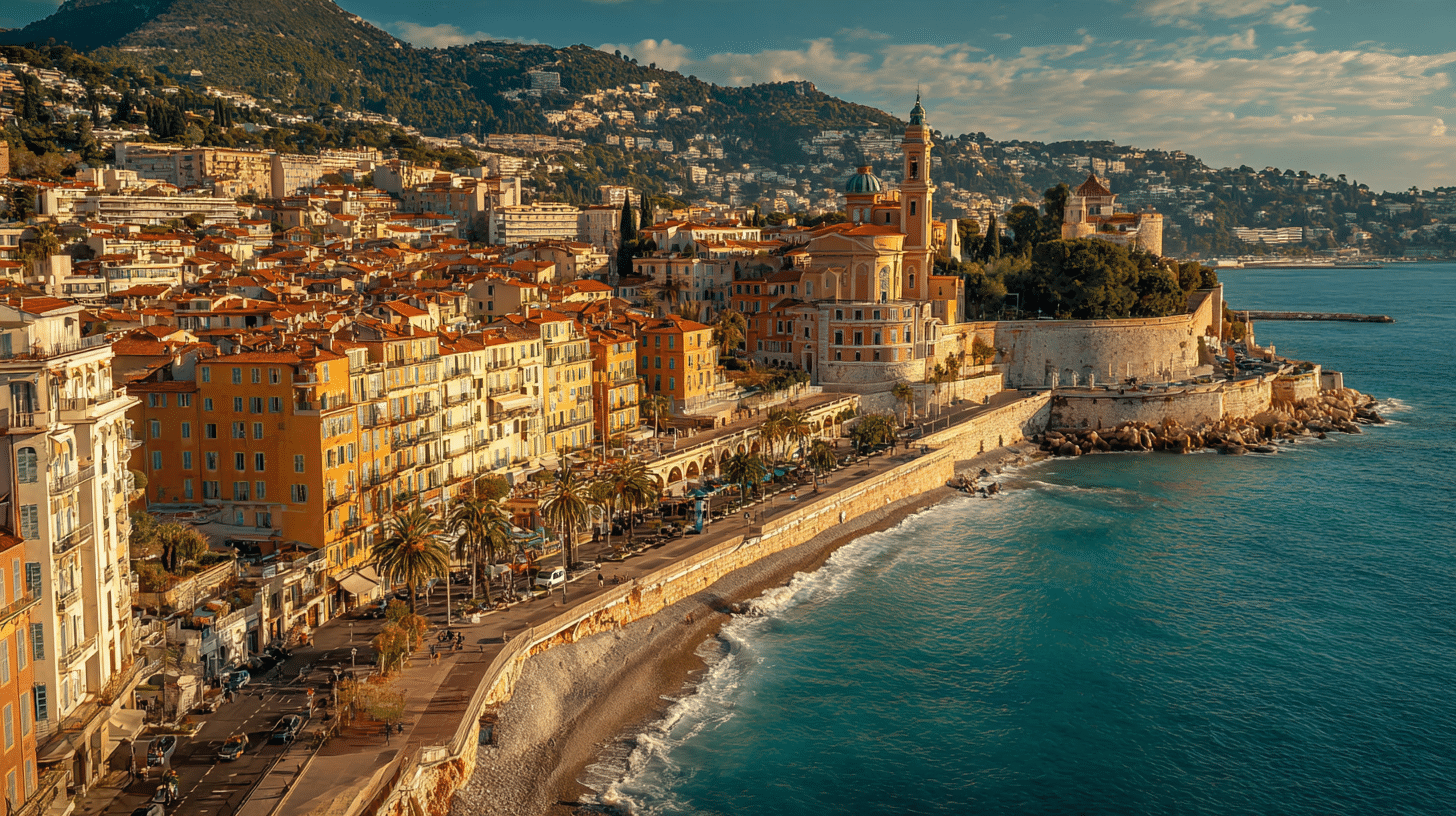
The south of France is a dream destination that mixes sun-drenched beaches, medieval villages, world-class cuisine, and fascinating history. Whether you’re drawn to the glamour of the French Riviera, the lavender fields of Provence, or the thermal spa town of Vichy, this region offers endless discovery. In this guide we’ll explore the most beautiful corners of the south of France, dive into the layered story of Vichy, and share practical tips to help you plan an unforgettable trip.
Table of Contents
- Understanding the South of France
- Vichy: History, Spa Culture & WWII Legacy
- 7 Stunning Regions to Explore
- Must-Do Experiences
- Food, Wine & Local Flavor
- Planning Your Trip
- What to Pack
- Frequently Asked Questions
Understanding the South of France
When travelers talk about the south of France, they’re usually referring to a sweeping arc of territory that stretches from the Spanish border in the west to the Italian border in the east. It encompasses several distinct administrative regions, each with its own personality, dialect, and culinary traditions.
This part of the country enjoys a Mediterranean climate: warm, dry summers and mild winters. The landscape shifts dramatically as you travel across it, from the rugged Pyrenees and the wetlands of the Camargue to the vineyards of Languedoc and the glittering coastline of the Côte d’Azur.
Beyond the postcard scenery, the region is steeped in history. Roman aqueducts, papal palaces, and 20th-century political drama have all left their mark. One town that carries an especially heavy historical weight is Vichy, which we’ll explore in depth next.
Vichy: History, Spa Culture & WWII Legacy
Although Vichy sits in central France rather than strictly along the Mediterranean, it’s inseparable from any serious conversation about French history. The town became internationally known during World War II, when it served as the capital of the collaborationist French State from 1940 to 1944, a period commonly referred to as “Vichy France.”
Long before that dark chapter, Vichy was celebrated for its thermal springs. Roman legions bathed in its mineral-rich waters, and by the 19th century Vichy had blossomed into one of Europe’s most fashionable spa resorts. Napoleon III visited repeatedly, spurring grand construction of parks, pavilions, and elegant villas that still line the streets today.
The Thermal Spa Heritage
Vichy’s springs are naturally carbonated and warm, and the town built its reputation on wellness tourism. Visitors would “take the waters” to treat ailments ranging from digestive issues to rheumatism. Today you can still visit the ornate Halle des Sources, stroll the lush Parc des Sources, and sample the famous Vichy pastilles.
The WWII Chapter
After France’s defeat in 1940, the government relocated to Vichy because its many hotels could house ministries and officials. Marshal Philippe Pétain led this regime, which cooperated with Nazi Germany. Understanding this history deepens any visit to the south of France and central France alike, and organizations like the ICRC continue to document humanitarian lessons from this era.
Walking through Vichy today, you encounter a peaceful spa town where reminders of this complex past coexist with elegant Belle Époque architecture. Thoughtful museums and plaques help visitors reflect on the period, and international bodies such as the IOM highlight how forced migration during wartime reshaped communities.
7 Stunning Regions to Explore in the South of France
The south of France rewards slow travel. Here are seven regions worth building an itinerary around.
- The French Riviera (Côte d’Azur): Home to Nice, Cannes, and Saint-Tropez, this glamorous coastline dazzles with azure waters, luxury yachts, and buzzing beach clubs.
- Provence: Famous for lavender fields, olive groves, and hilltop villages like Gordes and Roussillon. The light here inspired painters like Van Gogh and Cézanne.
- Occitanie: A vast region stretching from Toulouse to the Mediterranean, dotted with Cathar castles, the walled city of Carcassonne, and endless vineyards.
- The Camargue: A wild delta where pink flamingos, white horses, and black bulls roam a landscape of marshes and salt flats.
- The Luberon: A cluster of postcard-perfect villages, weekend markets, and rolling countryside beloved by food and wine lovers.
- Languedoc-Roussillon: Rugged coastline, ancient ports, and one of the largest wine-producing areas in the world.
- The Pyrenees Foothills: Mountain villages, spa towns, and dramatic scenery near the Spanish border.
Getting between these regions is easy with a rental car. Booking through Local rental services can help you find reliable vehicles, while flight deals via Sales comparison tools make arriving affordable.
Must-Do Experiences in the South of France
No trip to the south of France is complete without ticking off a few bucket-list experiences. Here are our favorites.
- Wander a Provençal market: Fill your basket with fresh produce, cheeses, and lavender sachets.
- Drive the coastal corniches: The winding roads between Nice and Monaco offer jaw-dropping sea views.
- Tour a vineyard: Sample rosé in the hills of Provence or bold reds in Languedoc.
- Visit Roman ruins: The Pont du Gard aqueduct and the arena in Nîmes are marvels of ancient engineering.
- Relax in a thermal spa: Follow in the footsteps of emperors in Vichy or the smaller spa towns of the Pyrenees.
To book guided tours, museum passes, and skip-the-line tickets, we recommend browsing Viator for vetted local experiences. And don’t forget to pack stylish, adventure-ready fashion from Travel Apparel – Stunning Adventure Fashion.
Style Tips for the Riviera
The south’s glamorous reputation means dressing the part can be fun. A sparkling accessory like the Sequin Glamour Scarf transforms a simple outfit into something worthy of Cannes. For casual sightseeing days, comfortable pieces such as a well-made South Sudan T-Shirt for Men & Women keep you cool under the Mediterranean sun. History buffs visiting war memorials may also appreciate a meaningful piece like a Vietnam Veterans Hat, an ideal gift for the traveler in your family.
Food, Wine & Local Flavor
Cuisine is one of the greatest pleasures of the south of France. Each region has signature dishes shaped by its landscape and history.
- Bouillabaisse: The iconic fish stew of Marseille.
- Ratatouille: A rustic vegetable medley from Provence.
- Cassoulet: A hearty bean-and-meat casserole from Occitanie.
- Tapenade & aioli: Olive and garlic spreads perfect for aperitif hour.
- Rosé wine: The region produces some of the world’s finest.
Pair these flavors with long, lazy lunches on shaded terraces, and you’ll understand why the southern French lifestyle is so admired worldwide.
Planning Your Trip to the South of France
A little preparation goes a long way. Here are the essentials to sort before you go.
Best Time to Visit
Late spring (May–June) and early autumn (September–October) offer warm weather, blooming landscapes, and fewer crowds than the peak summer months. Lavender typically blooms from late June through July.
Getting Connected
Staying online is easy with an eSIM. A provider like Airalo lets you activate data the moment you land, so you can navigate, translate menus, and share photos without roaming fees.
Travel Insurance & Cards
Protect your trip with a solid policy. Review our Complete Guide: 7 Proven Tips for Travel Insurance and compare plans through Travel insurance providers. Maximize rewards by choosing wisely with our roundup of the 7 Best Credit Cards for Travel.
Organize Everything
Map your entire itinerary with the free Travel Planner, which helps you schedule stops, budget, and bookings in one place. If you’re extending your adventure beyond Europe, our guide to 10 Essential Hotels to Stay in Nepal is worth a read.
What to Pack for the South of France
Pack light, breathable layers for hot days and cooler evenings. Essentials include:
- Lightweight, sun-protective clothing
- Comfortable walking shoes for cobblestone villages
- Swimwear for beaches and spa towns
- A stylish scarf or accessory for evenings out
- Reusable water bottle and sunscreen
Stay inspired between trips by following our community on Next Door and subscribing to our Substack for fresh travel stories. For humanitarian-minded travelers, organizations like International and regional bodies such as ECOWAS offer insight into global development work that complements responsible tourism.
Ready to finalize your route? Open the Travel Planner once more and lock in your dream itinerary.
Frequently Asked Questions
What is the best region in the south of France for first-timers?
Provence and the French Riviera are the most popular choices for first-time visitors, offering iconic scenery, easy transport links, and a wide range of experiences from beaches to hilltop villages.
Why is Vichy historically important?
Vichy is famous for its thermal spa heritage and for serving as the capital of the collaborationist French State during World War II from 1940 to 1944, a period known as Vichy France.
When is the best time to visit the south of France?
Late spring and early autumn are ideal, providing warm weather, blooming landscapes, and smaller crowds. Lavender fields peak from late June to July.
Do I need a car to explore the south of France?
While major cities are connected by train, a rental car gives you the freedom to explore vineyards, villages, and coastal roads at your own pace.
Is the south of France expensive?
It can be, especially on the Riviera in peak season. However, inland regions like Occitanie and the Camargue offer excellent value for food, wine, and accommodation.
The south of France is a region that rewards curiosity, from its glamorous coastline to the historically significant town of Vichy. With thoughtful planning, the right gear, and an open itinerary, you’ll create memories that last a lifetime. Bon voyage!