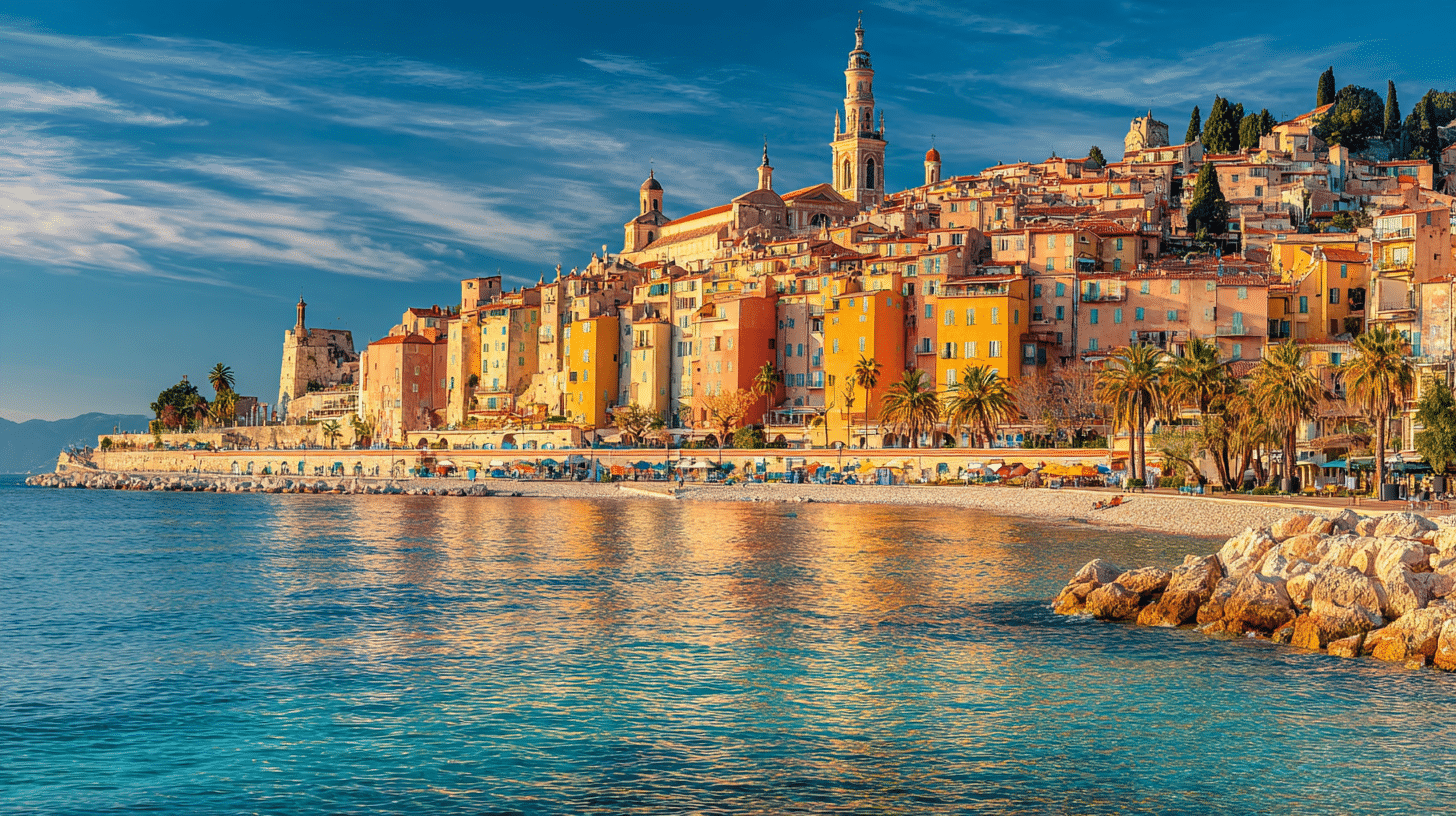
The south of France is a dream destination that seems to have it all: sun-drenched beaches, medieval hilltop villages, world-class cuisine, and endless fields of lavender that perfume the summer air. Whether you’re drawn by the glamour of the French Riviera or the rustic charm of Provence, the south of France offers something for every kind of traveler. In this guide, we’ll walk you through the most dazzling destinations, essential experiences, and practical tips to make your journey seamless and memorable.
Table of Contents
- Why Visit the South of France
- Top Destinations in the South of France
- Best Beaches on the Côte d’Azur
- Food and Wine of Southern France
- Culture and History
- When to Visit
- Getting Around
- What to Pack
- Practical Travel Tips
- FAQ
Why Visit the South of France
The south of France has captivated artists, writers, and travelers for centuries. Painters like Cézanne, Van Gogh, and Matisse found endless inspiration in the region’s luminous light and vibrant colors. Today, visitors flock here for the effortless blend of luxury and laid-back living.
From the sophisticated boulevards of Nice to the sleepy vineyards of the Luberon, the region rewards slow, curious exploration. You can spend a morning wandering a Roman ruin, an afternoon on a golden beach, and an evening sipping rosé under the stars.
Before you set off, it’s worth using the Travel Planner to map out your route and organize your must-see stops efficiently.
Top Destinations in the South of France
The south of France is packed with iconic towns and undiscovered gems. Here are the destinations you shouldn’t miss:
1. Nice
The unofficial capital of the French Riviera, Nice charms with its pebbled Promenade des Anglais, colorful Old Town, and buzzing markets. Don’t leave without trying socca, a chickpea pancake sold from street stalls.
2. Cannes
Famous for its film festival, Cannes exudes glamour year-round. Stroll La Croisette, admire the yachts in the harbor, and explore the quieter Le Suquet quarter for panoramic views.
3. Aix-en-Provence
This elegant university town is steeped in art and history. Its tree-lined Cours Mirabeau, bubbling fountains, and Provençal markets embody the relaxed spirit of the region.
4. Marseille
France’s oldest city is gritty, vibrant, and endlessly fascinating. Explore the Vieux-Port, hike the dramatic Calanques, and taste authentic bouillabaisse.
5. Saint-Tropez
Once a humble fishing village, Saint-Tropez is now synonymous with celebrity and style. Yet its cobbled streets and pastel houses still retain plenty of old-world charm.
6. Avignon
Home to the majestic Palais des Papes, Avignon offers a deep dive into medieval history. The famous Pont d’Avignon bridge is a must for photos.
7. Gordes and the Luberon Villages
Perched hilltop villages like Gordes, Roussillon, and Ménerbes are among the most beautiful in the south of France, surrounded by vineyards and lavender fields.
Best Beaches on the Côte d’Azur
The coastline of the south of France, known as the Côte d’Azur, is legendary. Here are some standout beaches:
- Plage de Pampelonne – The glamorous stretch near Saint-Tropez.
- Paloma Beach – A serene cove on the Cap Ferrat peninsula.
- Plage de la Gravette – A sheltered family-friendly beach in Antibes.
- Calanque de Sormiou – A dramatic natural inlet near Marseille.
When heading to the beach, a stylish accessory like the Sequin Glamour Scarf works perfectly as a beach cover-up or evening wrap for those balmy Riviera nights.
Food and Wine of Southern France
Few regions rival the culinary richness of the south of France. Mediterranean flavors dominate: olive oil, garlic, fresh herbs, seafood, and sun-ripened vegetables.
Signature dishes to try include:
- Ratatouille – A hearty vegetable stew.
- Bouillabaisse – The famous Marseille fish soup.
- Salade Niçoise – A refreshing classic from Nice.
- Tapenade – A tangy olive spread served with bread.
Pair your meals with Provençal rosé, the region’s signature wine, best enjoyed chilled on a sunny terrace. For guided food tours and tastings, browse the excellent experiences on Viator.
Culture and History
The south of France is a living museum. Roman ruins like the Pont du Gard aqueduct and the amphitheater in Arles reveal the region’s ancient roots. Meanwhile, world-class art museums honor the masters who found their muse here.
The region also carries a proud tradition of craftsmanship, from Provençal ceramics to handmade jewelry. A meaningful souvenir like the Tree Of Life Pendant — Turquoise Beaded Necklace makes a lovely keepsake that captures the natural beauty and vibrant spirit of southern France.
If you’re a history enthusiast planning to explore heritage sites and cultural landmarks, organizations like the ICRC and IOM offer valuable global context on preserving cultural identity across borders.
When to Visit
Timing is everything when planning a trip to the south of France:
- Spring (April–June): Mild temperatures, blooming landscapes, and fewer crowds.
- Summer (July–August): Peak season with hot weather, buzzing beaches, and lavender in full bloom—but expect crowds and higher prices.
- Autumn (September–October): Warm seas, grape harvests, and a relaxed atmosphere.
- Winter (November–March): Quiet and cool, ideal for enjoying cities without the tourist rush.
Getting Around
While trains connect the major coastal cities beautifully, renting a car is the best way to explore the hilltop villages and countryside of the south of France. For reliable and affordable car rentals, check out Local rental services.
To find the best flight deals into Nice, Marseille, or Toulouse, compare fares on Sales. And to stay connected without racking up roaming charges, grab an eSIM from Airalo before you go.
What to Pack
Packing smart makes all the difference. Lightweight, breathable clothing is essential for the Mediterranean climate, along with comfortable walking shoes for cobbled streets.
A practical hat is a must for sun protection, and the Vietnam Veterans Hats For Men combine comfort with a classic look, perfect for long days of sightseeing. For more stylish travel essentials, explore our full collection of Travel Apparel – Stunning Adventure Fashion.
Essential packing checklist:
- Sunscreen and sunglasses
- A refillable water bottle
- A light jacket for cooler evenings
- Swimwear and a cover-up
- A universal power adapter
Practical Travel Tips
Before setting off for the south of France, a little preparation goes a long way. Here are our top tips:
- Get travel insurance: Protect yourself against the unexpected. Read our Complete Guide: 7 Proven Tips for Travel Insurance and consider a policy from Travel insurance providers.
- Choose the right credit card: Avoid foreign transaction fees with the right card. See our roundup of the 7 Best Credit Cards For Travel: Insider Hacks.
- Learn a few French phrases: Locals appreciate the effort, and it enriches your experience.
- Book accommodations early: Especially in summer, the best places fill up fast.
Extending your travels beyond France? If you’re heading to Asia afterward, our guide to the 10 Essential Hotels to Stay in Nepal is a great resource for planning your next adventure.
For those interested in ethical and sustainable travel, organizations such as International and ECOWAS promote responsible global engagement worth supporting.
Stay Connected With Us
Love travel inspiration? Join our community on Next Door and subscribe to our Substack for the latest guides, tips, and exclusive deals. Ready to start planning? Head over to the Travel Planner and turn your dream trip into reality.
Frequently Asked Questions
What is the best time to visit the south of France?
The best time to visit the south of France is during spring (April–June) or autumn (September–October) when the weather is pleasant and the crowds are thinner than in peak summer.
How many days do you need in the south of France?
A week to ten days allows you to explore the highlights of the Côte d’Azur and Provence comfortably. If you want to dive deeper into the countryside and villages, two weeks is ideal.
Is the south of France expensive?
It can be, especially in glamorous towns like Saint-Tropez and Cannes during summer. However, traveling in shoulder seasons, renting a car, and staying in smaller villages can significantly reduce costs.
What is the best way to get around the south of France?
Trains link the major coastal cities efficiently, but renting a car is the best way to reach hilltop villages and hidden countryside gems at your own pace.
What food is the south of France famous for?
The south of France is known for Mediterranean specialties like ratatouille, bouillabaisse, salade niçoise, and tapenade, all best enjoyed with a glass of chilled Provençal rosé.
The south of France is a region that lingers in your memory long after you leave—its light, flavors, and easy elegance are truly unforgettable. With careful planning and the right gear, your journey through this sun-soaked corner of Europe is bound to be extraordinary. Bon voyage!